Category: Intimacy & Relationships

Explore expert advice, date night inspiration, and mindful practices to deepen your emotional connection, nurture intimacy, and build lasting relationship health.

  • Why Intimacy Fades in Long-Term Relationships

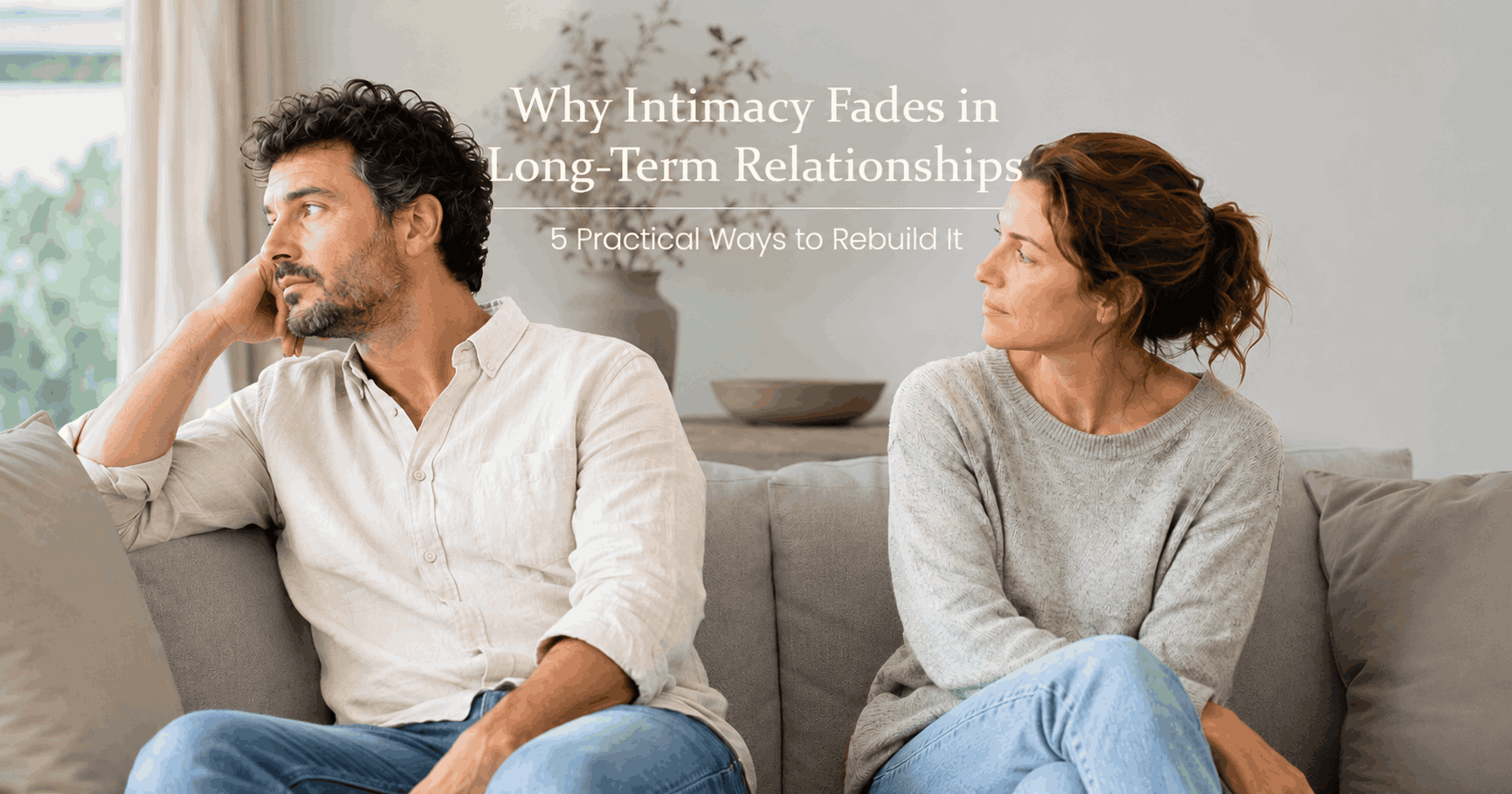
    Why Intimacy Fades in Long-Term Relationships

    Intimacy in a long-term relationship does not always stay the same. Even when the love is still there, the way couples connect can change over time.

    Couples may share a home, daily responsibilities, inside jokes and years of memories. But affection can slowly become less frequent. One partner may want more closeness while the other seems less interested, and neither may know exactly when things started to feel different.

    Intimacy usually does not disappear all at once. It often changes slowly because of stress, routine, unresolved problems and changing needs.

    Less intimacy does not always mean less love. Sometimes it simply means the relationship needs more time, attention and connection again.

    Quick Answer

    Intimacy can slowly change because of stress, routine, ongoing problems, changes in desire or health issues. Couples can start rebuilding it by talking openly, showing affection without pressure, making time for each other, trying new things together and finding simple ways to feel close again.

    Why Intimacy Fades in Long-Term Relationships

    Intimacy can slowly fade when couples become more focused on managing daily life than spending time connecting with each other.

    Work, chores and other responsibilities can take over. Conversations may become more about plans and tasks. Small problems may stay unresolved. One partner may feel pressured, while the other may feel rejected.

    Poor sleep, stress, health changes, body image, hormones or medication can also affect intimacy.

    Usually, there is not just one reason. Several things can affect how close a couple feels over time.

    The first step is not to blame each other. It is to understand how both partners feel about the relationship and intimacy right now.

    Intimacy Is More Than Sex

    When people hear “lack of intimacy,” they often think only about sex. However, intimacy can appear in several forms, and each one contributes differently to how connected a couple feels.

    Type of intimacyWhat it meansSimple examples
    Emotional intimacyFeeling understood, accepted and safe enough to be honestSharing worries, expressing needs and feeling supported
    Physical intimacyCloseness expressed through affectionate or sexual touchHolding hands, hugging, kissing, cuddling and sex
    Conversational intimacyTalking about thoughts, feelings and personal ideas not only daily responsibilitiesDiscussing hopes, fears, memories and personal ideas
    Experiential intimacyFeeling connected through meaningful shared experiencesTravelling, cooking, walking or trying something new together

    A couple can have sex often and still feel distant from each other. Another couple may have sex less often but still feel close, loved and happy in the relationship.

    There is no fixed number that makes a relationship healthy. What matters is how both partners feel. If both feel comfortable, valued and connected, the frequency may not be a problem. But if one or both feel lonely, pressured or unhappy, it may be something worth talking about.

    Why Intimacy Gradually Fades

    Daily Life Replaces Connection

    Long-term relationships need a lot of teamwork.

    Bills have to be paid, children need attention, the house needs to be managed, and work can follow people into the evening through messages and unfinished tasks.

    Over time, couples can become very good at managing daily life but spend less time really connecting with each other.

    There is nothing wrong with talking about practical things. The problem starts when most conversations are only about tasks, plans and responsibilities.

    Partners may begin to see each other mainly as a parent, provider or caregiver instead of as two people who still want to feel close and understood.

    The love may still be there, but real time and attention for each other can become rare.

    Unspoken Frustration Creates Emotional Distance

    Distance does not always happen because a relationship becomes boring.

    Sometimes it grows from problems that were never fully worked through.

    One partner may feel like they are doing too much at home. The other may feel criticised all the time. A promise may have been broken, and even if the couple moved on, the trust may not feel the same.

    Sometimes arguments stop because both people are tired, not because the problem is really solved.

    When someone feels ignored, taken for granted or uncomfortable opening up, physical closeness can become harder.

    This does not mean every change in desire comes from relationship problems. It simply means intimacy is often affected by how both partners feel about the relationship as a whole.

    Research on married couples has also found links between communication, emotional closeness, sexual satisfaction and overall relationship satisfaction.

    Partners Wait To Feel Desire

    Many people think desire should happen in a simple order:

    First, you feel interested. Then you want affection or sex.

    But that is not how it works for everyone.

    For some people, desire can come later. They may start to feel interested after they relax, feel emotionally close or begin enjoying affection.

    Rosemary Basson’s influential sexual-response model helped explain that desire does not always have to come first before arousal or intimacy begins.

    This does not mean anyone should keep going with touch they do not want.

    Consent and comfort are always important. Responsive desire simply means interest can grow during an experience that already feels safe and welcome.

    Sometimes the right mood and connection need to come first.

    Affection Starts Feeling Like Pressure

    A hug can stop feeling simple when one partner thinks it may lead to sex.

    If that keeps happening, the partner with less interest may start avoiding touch. The other partner may feel rejected and try even harder to get close.

    A difficult pattern can start:

    • One person feels pressured.
    • The other feels unwanted.
    • Affection starts to feel tense.
    • Both begin pulling away.

    Neither person may want this distance, but both can end up feeling alone.

    Rebuilding closeness often starts with making touch feel comfortable again. A kiss, cuddle or massage can stay just that unless both partners want more.

    Stress and Physical Changes Affect Desire

    Long-term relationships can go through different physical and emotional changes.

    Stress, poor sleep, pregnancy, recovery after childbirth, menopause, pain, body-image concerns, ongoing health problems, erection problems, anxiety, depression and some medicines can all affect desire or comfort.

    Research has found that high stress can make it harder for some women to feel physically aroused, especially when their mind is distracted or under pressure. This does not mean stress affects everyone in the same way, but it can make it harder to feel present and relaxed.

    Sleep may also play a role. Some research has linked longer sleep with better sexual desire and response the next day in women.

    These findings should not be used to diagnose your partner.

    If pain, medication, hormonal changes, low mood or other health concerns are affecting intimacy, speak with a qualified healthcare professional. Relationship advice or a consumer product should not replace proper medical care.

    For deeper understanding, read the research sleep and sexual response

    5 Practical Ways to Rebuild Intimacy

    why intimacy fades in long-term relationships: 5 ways to rebuild it

    1. Talk About the Distance Without Blame

    Conversations about intimacy often happen at the wrong time, such as after rejection, during an argument or when one partner already feels upset.

    What you say may come from real hurt, but it can quickly make the other person feel blamed.

    Try to talk about how you feel instead of assuming why your partner acts a certain way.

    You can ask:

    • What does intimacy mean to you now?
    • When do you feel closest to me?
    • Has anything made affection harder for you?
    • Is there something you have been afraid to tell me?
    • What kind of closeness feels comfortable for you?

    Then listen without thinking about how to defend yourself.

    A 2022 meta-analysis covering 93 studies and more than 38,000 people found that better sexual communication was linked with higher relationship and sexual satisfaction. How well couples communicated seemed to matter more than how often they talked.

    The first conversation does not need to solve everything. It just needs to make the topic easier and safer to talk about.

    How Do You Talk About a Lack of Intimacy?

    Choose a calm time, describe what you miss without blaming your partner, and ask how the relationship feels from their side.

    Do not use the conversation to demand immediate affection or sex. Understand the distance together before deciding what needs to change.

    2. Bring Back Affection Without Pressure

    Couples who want to feel close again sometimes rush straight to the part they miss most.

    That can make things feel more pressured.

    It can help to start with simple affection that does not have to lead anywhere:

    • Hold hands during a walk.
    • Give a longer goodbye kiss.
    • Cuddle for a few minutes.
    • Offer a massage only if both people want it.
    • Ask for a hug instead of assuming.

    Then let the moment end without expecting more.

    If one partner has started avoiding touch because every affectionate moment seems to lead to sex, respecting that limit can help rebuild comfort and trust.

    Consent does not make affection awkward. It removes the guessing and helps both people feel more relaxed.

    3. Make Space for Conversations Beyond Daily Life

    In a long-term relationship, it is easy to talk mostly about daily life.

    You may speak every day, but most conversations can become about work, children, bills, shopping, appointments or things that need to get done.

    After some time, the relationship can start to feel more like a partnership for managing life than a close personal connection.

    There is nothing wrong with talking about responsibilities. The problem is when that is almost all you talk about.

    Try talking about other things too:

    • Ask how your partner is really feeling.
    • Talk about something you both want to do.
    • Share something funny or interesting from your day.
    • Ask about something your partner has been thinking about lately.

    Every conversation does not need to be deep or romantic.

    The idea is simple: make sure you still talk to each other as partners, not only about the things you need to get done.

    4. Understand What Is Causing the Distance

    Intimacy can fade when certain problems are not addressed.

    These include:

    • Stress or tiredness
    • Unresolved arguments
    • Feeling ignored
    • Lack of trust
    • Pressure around sex
    • Changes in desire

    These issues make physical and emotional closeness more difficult.

    It is important to understand what has changed and what may be affecting the relationship.

    Once the main cause is clear, it becomes easier to decide what needs attention.

    5. Understand What Makes You Feel Close Now

    What makes a couple feel close can change over time.

    One person may want more conversation. Another may want more affection, support or care.

    What worked earlier in the relationship may not work in the same way after a few years.

    Work, stress, family life and daily problems can also change what each person needs.

    It is important to understand what makes both partners feel close now.

    This may include:

    • More support
    • More affection
    • More honest conversation
    • Feeling valued
    • Feeling safe with each other

    Partners should not assume that the same things will always make each other feel close.

    If you are thinking about intimacy products, you can first read what intimacy chocolates for couples are and how DZIR intimacy chocolate works, including the product guidance and safety information.

    Any intimacy product should only be used when both partners agree.

    It should not replace trust, communication or attention to problems in the relationship.

    For couples who want to include something different in a private moment, DZIR can be one optional choice. It should be used only when both partners want to try it and after checking the product directions and safety information.

    Explore DZIR Intimacy Chocolate

    When You May Need Professional Help

    Some intimacy problems can improve with open conversations, more time together and small changes at home.

    Others may need professional help.

    It may be worth speaking with a healthcare professional if intimacy is affected by:

    • Pain or ongoing physical problems
    • Medication
    • Hormonal changes
    • Erection problems
    • Pregnancy or recovery after childbirth
    • Ongoing tiredness
    • Anxiety, depression or another health condition

    A relationship therapist may help if conversations often turn into arguments, resentment has built up, trust has been badly hurt or it feels hard to talk about intimacy without blaming each other.

    A sex therapist may help when problems with desire, arousal, pain, fear or sexual communication continue to cause stress.

    A meta-analysis of couple therapy found that therapy helped improve important parts of relationship functioning, and many of those improvements continued over time. The research had some limits, but it still supports professional help as a valid option.

    If there is fear, pressure, abuse or unwanted sexual contact, seek support right away.

    Rebuilding intimacy should never mean giving up your boundaries.

    What Progress Actually Looks Like

    Progress does not always mean the passion comes back all at once.

    It may look like:

    • One honest talk that does not turn into an argument
    • A hug that feels comfortable again
    • More laughter during a normal evening
    • Less fear of being rejected
    • More interest in each other
    • Making more time for the relationship
    • Touch that does not feel pressured
    • A better understanding of what each person needs

    Physical intimacy may improve as these things get better. Sometimes, couples may also realize that other problems need attention first.

    Look for more trust, warmth, comfort, attention and choice in the relationship.

    Intimacy Is Rebuilt in Small Moments

    Intimacy usually does not fade because of one big event. Stress, routine, old problems and less time together can slowly create distance.

    Rebuilding closeness does not need one perfect date night or a sudden return of passion. It can start with honest talks, affection without pressure and understanding what each partner needs.

    The goal is not to copy someone else’s idea of a healthy relationship. It is to find a level of emotional and physical closeness that feels right for both partners.

    Closeness can grow when both people feel heard, respected and understood.

    It also helps to know what is causing the distance and work on it together.

    Frequently Asked Questions

    Is It Normal for Intimacy to Fade in a Long-Term Relationship?

    Changes in intimacy are common as responsibilities, health, stress and relationship patterns change.
    Whether it represents a problem depends less on an outside standard and more on whether either partner feels lonely, pressured, dissatisfied or unable to discuss it.

    Does Less Intimacy Mean the Relationship Is Ending?

    Not necessarily.
    Reduced intimacy may reflect exhaustion, unresolved conflict, health concerns, major life changes or differences in desire. It becomes more concerning when the distance is persistent and distressing or involves contempt, coercion, fear or a serious loss of trust.

    Can Emotional Intimacy Return After Years of Distance?

    Emotional intimacy can improve when both partners are willing to speak honestly, listen without immediate defensiveness and make consistent changes.
    When the distance involves betrayal, trauma or severe resentment, professional support may make the process safer and more realistic.

    How Can Couples Rebuild Physical Intimacy Without Pressure?

    Begin with communication and mutually comfortable affection that does not have to lead to sex.
    Ask what types of touch feel welcome, respect a “no” without punishment and allow closeness to develop gradually. Pressure may produce compliance, but it does not create genuine intimacy.

    Why Does Intimacy Fade Even When You Still Love Each Other?

    Stress, tiredness, daily responsibilities and old problems can slowly create distance. Love may still be strong, but intimacy can change when both partners have less time, energy or emotional connection.

  • How to Lower Stress Naturally Before Date Night

    How to Lower Stress Naturally Before Date Night

    Feeling stressed before a date with someone you care about is normal. You may be looking forward to the evening, but moving directly from work, messages and daily responsibilities into romance can feel difficult.

    Perhaps work ran late, messages still need replies or you have not decided what to wear. Part of your mind may already be thinking about tomorrow, even though you genuinely want to be present with your partner.

    Learning how to lower stress naturally before date night is not about eliminating every nervous feeling. It is about giving your body and mind enough time to shift from pressure into presence.

    This guide addresses ordinary, short-term stress before a date. It is not intended to diagnose or treat chronic anxiety, panic disorder or another mental-health condition.

    Quick answer: How to lower stress naturally before date night

    Feeling nervous before a date is common, especially when you care about making a good impression. The easiest way to lower stress naturally is to reduce last-minute pressure. Get ready early, separate yourself from work or personal problems for a while, check the essentials once, do something calming, and wear clothes that feel comfortable. The goal is not to remove every nervous feeling. It is to make the evening feel easier and more relaxed with your partner.

    Is It Normal to Feel Nervous Before a Date?

    Yes, feeling a little nervous before a date is normal.

    There is usually some uncertainty involved. You may wonder how the conversation will go, whether you both will enjoy the date or whether things will feel comfortable once you meet. Even couples who have been together for a long time can feel some pressure before a planned date night, especially when they want the date night to feel special.

    Nervousness can feel stronger when you start overthinking. You might start checking your appearance repeatedly, changing plans at the last minute or imagining situations that have not happened.

    You do not need to make yourself feel completely calm before leaving. It is usually more helpful to make the hours before the date simple, organised and unrushed.

    What Makes You Feel More Stressed Before a Date?

    Several small worries can build stress before a date night. It usually does not only come from a single thing.

    Hence, understanding where the pressure comes from can make it easier to manage.

    Self-Consciousness

    You may suddenly feel unsure about your clothes, hair, skin or the way you look, even if you felt fine earlier in the day. This can lead to repeated mirror checks, outfit changes or second-guessing things that were already fine.

    Remember that they are probably thinking about their own appearance too and are unlikely to notice every small detail you notice about yourself.

    Leaving late

    Being late can turn normal nervousness into a rushed feeling very quickly.

    Once you are behind schedule, small problems start to feel bigger. Traffic feels more frustrating, finding a ride takes too long and even looking for your wallet or keys can become stressful.

    By the time you arrive, you may still feel mentally rushed even though the problem is already over.

    This is why the stress often starts before the date.

    Social Pressure

    Conversation can become another source of pressure.

    You may wonder what you two will talk about, whether there will be awkward silences or whether you will come across as interesting enough.

    You do not need a perfect answer for every moment. Dates naturally include questions, stories, pauses, laughter and sometimes a little awkwardness.

    That is part of getting comfortable with your partner.

    Expectations

    A date can feel more stressful when you expect everything to go perfectly.

    You may expect strong chemistry, effortless conversation, a romantic atmosphere or a perfect ending to the evening.

    When you carry too many expectations into the date, you start judging every small moment instead of experiencing it.

    Thus, try not to judge the date against a perfect version in your head. Focus on whether you are both comfortable and enjoying the time together.

    Stress You Bring From the Rest of Your Day

    Sometimes you already get stressed before you even start getting ready for the date.

    • Work pressure: A busy day, unfinished work or a difficult meeting can stay on your mind.
    • Family responsibilities: Things happening at home can make it harder to relax and enjoy the evening.
    • A rushed schedule: Going straight from work to a date without much time in between can leave you feeling rushed.

    Things That Can Make Pre-Date Stress Worse

    A few small habits can make normal pre-date nerves feel worse:

    • Skipping food: Skipping food and being hungry make you tired, irritated or distracted during the date which makes pre-date even worse.
    • Too much social media: Comparing your date, outfit or plans with others can add unnecessary pressure.
    • Poor sleep: When you are already tired, small worries can feel much bigger.
    • Trying to calm your nerves with alcohol: Drinking before the date can affect your mood and judgment later after the date.

    Therefore, Keeping your body well rested, fed and comfortable can make it much easier to feel relaxed before the date night.

    5 Ways to Make the Date Feel Less Stressful

    how to lower stress naturally before date night

    1. Get Ready Earlier Than You Think You Need To

    Getting ready before you start feeling rushed gives you enough time to choose your clothes, shower and finish the small things without watching the clock.

    If you normally need around 45 minutes to get ready, consider giving yourself an hour instead.

    Being ready 10–15 minutes before you need to leave also gives you some time to sit down, drink some water and leave at a comfortable pace.

    2. Leave Work and Personal Stress at Home

    Going straight from a busy day into a date can make it difficult to relax.

    Finishing urgent work before getting ready, putting the laptop away and leaving non-urgent messages until later can create some distance from the day.

    The same applies to personal problems. Not everything needs to be solved before you go out. Giving yourself even 15–20 minutes without work, calls or other responsibilities can make it easier to focus on the evening ahead.

    3. Check the Essentials Once

    A quick check before leaving can prevent small problems later. Before leaving, check the basics:

    • Phone: Enough battery for calls, messages, maps or a ride.
    • Wallet: Payment method, ID and anything else you need.

    Once these basics are covered, there is little reason to keep checking them. This keeps the last few minutes before leaving simple instead of adding another thing to worry about.

    4. Do a calming activity

    Spending a few minutes doing something relaxing can help break the rush between getting ready and leaving.

    This could be listening to music, taking a short walk, stretching, having a warm shower or simply sitting quietly for a few minutes. A relaxed setting can also help the evening feel more natural once the date begins.

    Choose something that already helps you relax. Ten minutes is often enough. During that time, staying away from social media and unnecessary messages can also help keep your mind from becoming busy again.

    5. Wear a Comfortable Outfit

    An outfit may look good but still become distracting if it feels tight, uncomfortable or needs constant adjusting.

    Choosing clothes and shoes that you have worn before can remove that problem. They should suit the place while still allowing you to sit, walk and move comfortably.

    When your outfit feels right, it becomes one less thing to think about during the date.

    Final Thoughts

    Feeling nervous before a date is normal, but rushing, overthinking and carrying stress from the day can make it feel stronger.

    A little preparation can make a real difference. Give yourself enough time to get ready, take care of the basics and create some space between your day and the date.

    Creating a calmer evening can also make date night feel more intentional, especially when both people have time to slow down and focus on each other.

    Frequently Asked Questions

    What should I do an hour before a date?

    You can use that time to finish getting ready without rushing. Check your phone, wallet and travel plans, then leave yourself a few quiet minutes before heading out.

    How can I calm down immediately before a date?

    Slow your breathing, step away from your phone and do something simple for a few minutes, such as listening to music, stretching or taking a short walk. The aim should be to settle yourself, not force the nervous feeling to disappear completely.

    Why does my stomach feel nervous before a date?

    Stress and excitement can affect digestion and create a tight, fluttery or unsettled feeling in the stomach. It is a common stress response.

    Is it normal to feel stressed before seeing someone you like?

    Yes, you may feel more nervous because you care about how the date goes or what the other person thinks of you. A small amount of stress before seeing someone you like is common.

    Should I prepare conversation topics before a date?

    Yes, a few simple topics can help but you do not need to plan the whole conversation.

    How do I stop checking my phone before a date?

    Once the plan is set, put your phone aside and check it only if needed.

  • Intimacy Chocolates for Couples: Real Benefits

    Intimacy Chocolates for Couples: Real Benefits

    Intimacy chocolates for couples are more than just adult chocolates. They are small romantic experiences designed to help partners slow down, reconnect, and make private moments feel more intentional, playful, and memorable.

    Usually shared during date nights, anniversaries, private evenings, or special couple moments, intimacy chocolates combine rich cocoa with selected wellness ingredients. But their real value is not only in what they contain. It is in the experience couples create around them.

    When partners remove distractions, share something enjoyable, and focus fully on each other, a simple chocolate moment can become a meaningful relationship ritual. Over time, these small rituals may support emotional closeness, better conversation, affection, and shared memories.

    Of course, intimacy chocolate cannot fix a relationship, guarantee desire, or replace honest communication. But when used responsibly by healthy adults, it can help create a more relaxed, romantic, and emotionally connected atmosphere.

    Table of Contents

    What Are Intimacy Chocolates for Couples?

    Intimacy chocolates for couples are specially formulated adult chocolates made to add more intention, playfulness, and warmth to romantic moments. They usually combine premium cocoa with selected wellness ingredients such as maca, ginseng, L-arginine, or calming botanicals.

    These ingredients are often chosen for their association with mood, energy, relaxation, or overall wellness. However, the real purpose of intimacy chocolate is not to guarantee desire or performance. It is to help couples create a more enjoyable shared experience in a private, comfortable setting.

    Before choosing any intimacy chocolate, couples should review the complete ingredient list, age restrictions, safety warnings, manufacturer details, and any added botanical or functional ingredients.

    The chocolate itself is only one part of the experience. The environment, communication, comfort, and intentions of both partners are equally important.

    For a product-specific explanation, read how Dzir Intimacy Chocolate works.

    Why Couples Are Interested in Intimacy Chocolate

    Many couples want simple ways to make their private time feel less routine. Work, phones, stress, family responsibilities, and daily habits can make relationships feel predictable.

    Intimacy chocolate gives couples a small but intentional reason to pause.

    It can be used before:

    • A home date night
    • An anniversary celebration
    • A weekend getaway
    • A romantic dinner
    • A honeymoon night
    • Valentine’s Day
    • A surprise private evening
    • A monthly relationship ritual

    For many couples, the appeal is not only “what is inside the chocolate.” It is the feeling of planning something together.

    Chocolate already has a long cultural connection with gifting, affection, and celebration. The Smithsonian notes that cacao has deep historical roots in Mesoamerican culture and was once highly valued in social and ceremonial life. That history helps explain why chocolate still feels emotionally meaningful today.

    External source: Smithsonian on cacao and chocolate history

    What Makes Intimacy Chocolates Different from Regular Chocolate?

    Regular chocolate is usually made for everyday taste, dessert, or casual gifting. Intimacy chocolates are made for adult couples who want a more intentional romantic experience.

    FeatureRegular ChocolateIntimacy Chocolate
    Main purposeTaste, dessert, casual giftingRomantic shared experience
    Intended audienceGeneral consumersAdults only
    IngredientsCocoa, sugar, milk, fats, flavoringCocoa plus selected wellness ingredients
    UsageSnack, dessert, giftDate nights, anniversaries, private moments
    Emotional roleComfort and enjoymentAnticipation, ritual, connection
    Safety guidanceMostly allergen-focusedAllergen, serving, age, and wellness guidance

    The difference is not that regular chocolate cannot be romantic. It can be. The difference is that intimacy chocolates are designed around adult couple experiences from the beginning.

    Common Ingredients Found in Intimacy Chocolates

    Different intimacy chocolate brands use different formulas. Some focus mainly on premium cocoa and romantic packaging. Others include botanicals, amino acids, or adaptogens.

    Common ingredients may include such as Cocoa, Maca root, Citrulline, L-arginine, Panax ginseng, Ashwagandha, Fenugreek and botanical extracts.

    External source: Chocolate, mood, and cognitive function review

    If you want a careful ingredient-by-ingredient explanation, read what Dzir intimacy chocolate is.

    How Intimacy Chocolates May Strengthen Emotional Connection

    Emotional connection is built through trust, attention, communication, affection, and shared experiences. Intimacy chocolate can support some of those moments, but it cannot create them alone.

    The benefit comes from how couples use it.

    Here are the main ways intimacy chocolates may help couples feel closer.

    1. They Create Intentional Quality Time

    Many couples spend time near each other without actually connecting.

    One partner may be scrolling through social media. The other may be answering work messages. A show may be playing in the background, but neither person is fully present.

    Sharing intimacy chocolate can signal a pause in that routine.

    Instead of eating it casually, couples can plate it nicely, sit together, turn off distractions, and give each other full attention. Even 20 minutes of focused time can feel more meaningful than hours spent together without real connection.

    The chocolate is not the magic. The attention is.

    2. They Help Couples Slow Down

    Chocolate is naturally sensory. It has aroma, texture, taste, appearance, and mouthfeel.

    When couples slow down and notice those details together, they become more present in the moment. That presence can make the evening feel calmer and more intimate.

    Couples can talk about:

    • Which flavor they notice first
    • Whether the chocolate tastes smooth, bitter, sweet, or intense
    • What the aroma reminds them of
    • What drink or fruit pairs well with it
    • Whether they prefer slow tasting or playful tasting

    This turns chocolate into an activity, not just a snack.

    3. They Make Conversation Feel More Natural

    Meaningful conversations do not always need to begin with “we need to talk.”

    That phrase can make people feel tense. A relaxed shared activity can create a softer opening for real conversation.

    While sharing chocolate, couples can ask simple questions such as:

    • What made you feel loved this week?
    • What is one memory of us that still makes you smile?
    • What would make our date nights feel more special?
    • Is there anything you need more support with right now?
    • What is something we should do together soon?

    The goal is not to turn the evening into an interview. Choose one or two questions and let the conversation develop naturally.

    4. They Add Novelty to a Familiar Routine

    Long-term relationships often become predictable. Predictability can feel safe, but too much repetition can make romance feel automatic.

    Research on couples has found that shared novel and exciting activities can increase experienced relationship quality compared with more ordinary activities. That does not mean every couple needs dramatic adventures. Sometimes, a small new ritual at home is enough to make the evening feel different.

    External source: Couples’ shared novel activities and relationship quality

    Intimacy chocolate can add novelty without needing an expensive trip or complicated plan.

    Couples can try:

    • A blind chocolate-tasting game
    • Pairing chocolate with fruit
    • Writing short love notes
    • Creating a romantic playlist
    • Sharing chocolate during a phone-free evening
    • Turning dessert into a private date-night ritual

    Newness does not have to be extreme. It only has to feel intentional.

    5. They Can Become a Relationship Ritual

    Healthy relationships often have small rituals.

    Examples include:

    • Morning coffee together
    • Evening walks
    • Weekly date nights
    • Monthly check-ins
    • Phone-free dinners
    • Anniversary traditions
    • Weekend movie nights

    Sharing intimacy chocolate can become part of one of these rituals.

    For example, a couple may choose one evening each month to put away phones, share chocolate, talk honestly, and enjoy slow private time together. Over time, that repeated ritual can become emotionally meaningful.

    The chocolate gives the moment a starting point. The couple creates the emotional value.

    6. They Can Be a Thoughtful Romantic Gift

    A gift feels romantic when it shows attention.

    Instead of simply handing over a box of chocolate, create a complete experience around it.

    You can add:

    • A handwritten note
    • A planned home date night
    • A favorite photo
    • A memory from your relationship
    • A private invitation card
    • A small surprise setup

    The price of the gift matters less than the thought behind it.

    That is why intimacy chocolate can work well as a romantic gift. It is not only something to consume. It can become part of a planned memory.

    7. They Help Couples Prioritize Shared Enjoyment

    Daily life can become dominated by responsibilities.

    Work, bills, chores, family pressure, and stress often come before romance. Over time, couples may stop making space for pleasure, playfulness, and emotional warmth.

    Intimacy chocolate can act as a reminder that shared enjoyment deserves time too.

    But it should never create pressure or expectation. Both partners should feel comfortable, respected, and free to say yes, no, or not now.

    The purpose is connection, not performance.

    How to Create a Romantic Chocolate Date Night at Home

    You do not need a luxury hotel or expensive dinner to create a meaningful romantic evening. A thoughtful home setup can feel just as special.

    Step 1: Prepare the Space

    Choose a private place where both partners can relax. Remove clutter, dim harsh lights, and use warm lighting if possible.

    You can use:

    • Lamps
    • Candles placed safely
    • Soft bedding
    • A clean serving tray
    • Comfortable seating
    • Light music

    The space should feel calm, not forced.

    Step 2: Remove Distractions

    Phones are one of the biggest romance killers.

    Put phones on silent, turn off work notifications, and avoid checking messages during the moment. Even one hour of focused time can make a big difference.

    Step 3: Present the Chocolate Thoughtfully

    Do not eat it directly from the packet if you want the moment to feel special.

    Place the chocolate on a plate or serving board. Pair it with simple options such as:

    • Strawberries
    • Grapes
    • Nuts
    • Biscuits
    • Tea
    • Coffee
    • A non-alcoholic sparkling drink

    Presentation changes the mood.

    Step 4: Follow Serving Guidance

    Always read the product label and follow the recommended serving size. Do not assume more is better.

    This is especially important when chocolate contains ingredients beyond normal cocoa, sugar, and flavoring.

    Step 5: Let the Evening Develop Naturally

    Do not expect the chocolate to create a specific outcome.

    The evening may lead to conversation, affection, laughter, relaxation, or deeper intimacy. Each can be meaningful when both partners feel comfortable and respected.

    How to Choose the Right Intimacy Chocolates for Couples

    The best intimacy chocolate is not simply the one with the boldest claims. It is the one that is transparent, safe, enjoyable, and suitable for both partners.

    Use this checklist before buying.

    • Choose transparent ingredients
    • Check adult-use and safety guidance
    • Avoid exaggerated performance claims
    • Pick something both partners feel comfortable using

    A trustworthy intimacy chocolate should be clear about what it is, who it is for, and how it should be used.

    Also read: What couples should know before buying Aphrodisiac chocolates?

    Is Dzir a Good Intimacy Chocolate for Couples?

    DZIR is a premium intimacy chocolate made for adult couples. It combines 70% dark cocoa with carefully selected botanical ingredients and is created for couples who want to add something special to shared romantic moments. It is best for couples who want to make a private evening feel more intentional, not for people looking for a medical treatment or guaranteed sexual-performance result.

    To understand the product in detail, read what Dzir intimacy chocolate is.

    To compare it with pills and supplements, read sex chocolate vs libido pills.

    To see why it fits the buyer checklist, read best aphrodisiac chocolate for couples.

    Responsible Use and Safety Information

    Intimacy chocolates should be used responsibly and only by adults.

    Do not use intimacy chocolate if you are under 18. Avoid using it if you are pregnant, breastfeeding, recovering from heart surgery, or managing serious heart, blood-pressure, liver, kidney, or hormone-related conditions unless a healthcare professional confirms it is safe.

    Be extra cautious if you take prescription medicines, especially for heart disease, blood pressure, or nitrates.

    For safer use:

    • Follow the recommended serving size
    • Check allergens carefully
    • Avoid mixing with alcohol, unknown supplements, or other intimacy products
    • Keep away from children
    • Stop use if you feel discomfort or an unexpected reaction
    • Never pressure a partner to consume it

    Intimacy chocolate is meant to support a romantic experience. It is not a medicine and is not intended to diagnose, treat, cure, or prevent any disease.

    Common Myths About Intimacy Chocolates

    Myth 1: Intimacy Chocolate Can Fix a Relationship

    No. Intimacy chocolate cannot repair dishonesty, resentment, poor communication, or lack of trust.

    It may help create a relaxed moment, but lasting emotional connection depends on honesty, accountability, care, and consistent effort.

    Myth 2: It Guarantees Physical Intimacy

    No food, supplement, or chocolate can guarantee attraction, desire, or consent.

    Physical intimacy should always be mutual, comfortable, and freely chosen by both partners.

    Myth 3: It Is Only for Anniversaries

    No. Couples can enjoy intimacy chocolate during anniversaries, date nights, weekend trips, or ordinary private evenings.

    Sometimes unexpected small gestures feel more meaningful than planned holiday gifts.

    Myth 4: All Intimacy Chocolates Are the Same

    No. Products vary widely in cocoa quality, ingredients, serving size, safety guidance, and brand transparency.

    Couples should compare labels and avoid products with exaggerated claims.

    Myth 5: More Chocolate Means Better Results

    No. More is not always better.

    Always follow the recommended serving size, especially when a product contains botanicals, amino acids, or other functional ingredients.

    Best Moments to Share Intimacy Chocolate

    Intimacy chocolate works best when the moment is relaxed and both partners are interested.

    Good moments include:

    • Before a home date night
    • During an anniversary celebration
    • On a weekend getaway
    • Before a private romantic evening
    • During Valentine’s Day plans
    • As part of a honeymoon surprise
    • After a meaningful dinner
    • During a monthly relationship ritual

    The best moment is not only about timing. It is about comfort, consent, and attention.

    Final Thoughts

    Intimacy chocolates for couples can strengthen emotional connection when they are used as part of intentional quality time.

    They help couples slow down, create a romantic setting, add novelty, and enjoy a shared ritual. The chocolate itself can support the mood, but the real connection comes from presence, communication, affection, and mutual comfort.

    Dzir is a good option for couples who want a premium adult chocolate designed for romantic moments. It should be used responsibly, with realistic expectations, and as part of a thoughtful shared experience.

    Intimacy chocolate does not create love by itself. But it can help couples create the kind of moment where love, attention, and closeness are easier to express.

    Frequently Asked Questions

    What is intimacy chocolate for couples?

    Intimacy chocolate for couples is an adult chocolate designed to make romantic moments feel more intentional and enjoyable. It usually combines premium cocoa with selected wellness ingredients and is often shared during date nights, anniversaries, or private couple moments.

    What are the benefits of chocolate for couples?

    Chocolate can help couples create a pleasant shared moment, slow down, start conversation, and build positive memories. The strongest benefit comes from the attention and care around the experience, not from chocolate alone.

    Can intimacy chocolates strengthen emotional connection?

    Yes, they can support emotional connection when couples use them intentionally. Sharing chocolate can encourage quality time, conversation, affection, and novelty, all of which can help a relationship feel more connected.

    Are intimacy chocolates the same as libido pills?

    No. Intimacy chocolates are usually shared romantic products, while libido pills or sexual-health medicines may have a more clinical or individual purpose. For a full comparison, read sex chocolate vs libido pills.

    Can intimacy chocolate replace communication?

    No. Intimacy chocolate cannot replace communication, trust, consent, or emotional effort. It can help create a warm setting, but couples still need honest conversation and mutual respect.

    When should couples use intimacy chocolate?

    Couples can use intimacy chocolate before date nights, anniversaries, private evenings, or special romantic moments. It works best when both partners are relaxed, comfortable, and interested in sharing the experience.

    Is Dzir only for special occasions?

    No. Dzir can be used for anniversaries and celebrations, but couples can also use it during simple home date nights or private moments when they want to feel more connected.